

Growing Better Gardens
Three ideas to juice our gardens

Gardening in the United States used to be much more of a community affair. Gardeners were members of local garden clubs or flower societies and showed the fruits of their labor at the county fair. It was a communal craft marked by shared learning, often inter-generational. This vision is in stark contrast to the way gardening is practiced today, which is much more of an individual affair.
Last May I wrote an essay for the Radicle newsletter about how community gardens can be reorganized to provide more social interaction between members by shifting from an individual plot to a workshare model. Since then, I’ve come up with several additional ideas as to how the gardening community can improve the general condition of the craft. To create local gardening communities imbued with greater conviviality and sustainability. To start off, I will summarize my arguments from the Radicle piece.

Workshare gardens
Most community gardens I’ve interfaced with follow the individual plot model, where a large segment of land is divided up into smaller sub-plots, which are then doled out (normally on a first come, first serve basis) to residents of a community. This model is mainly to serve those who don’t have the space available in their own living situations to support a garden, so it is a good way to make the hobby accessible for those who rent or live in accommodations that don’t provide a yard (like yours truly). Your plot is yours to do what you want. You choose what vegetables to plant and tending the plants is your responsibility. Ultimately, this model attempts to replicate yard ownership for those who don’t have access to land.
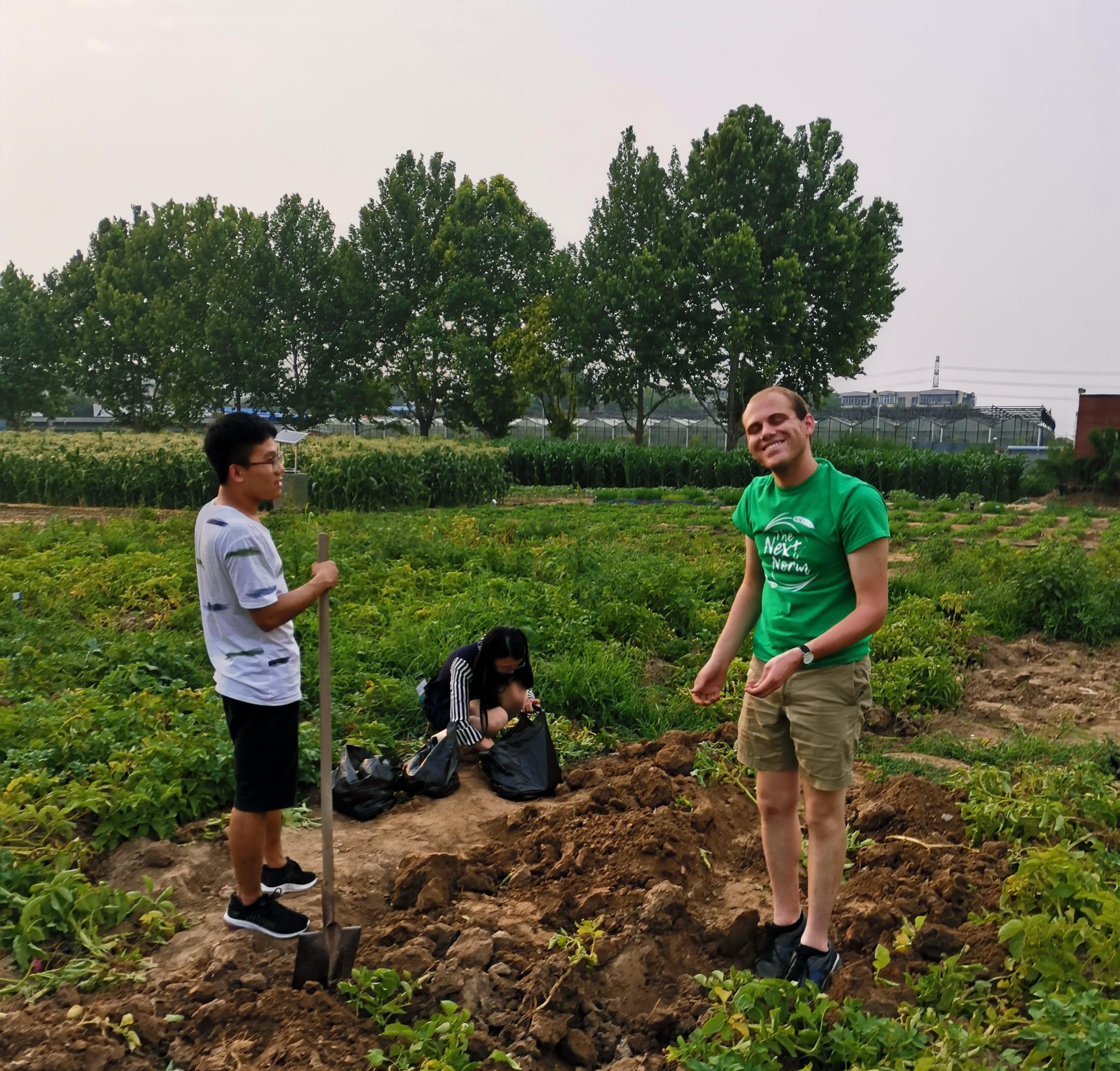
While this is all well and good, I think the individual plot model misses an important opportunity for community gardens to become something much more special. I call this the workshare model. Instead of each member tending to their own plot, the garden is instead managed as a single enterprise, with members contributing a certain amount of labor in exchange for a share of the produce. A workshare model would allow those with more time constraints the ability to participate in community gardens. If, for example, someone only has Sundays available to garden, it’s unlikely they would be able to manage the weeding and watering responsibilities necessary to maintain their own plot. However, with the workshare model, they could contribute every Sunday, benefiting from the social, psychological, and nutritional benefits of gardening.
Workshare community gardens undoubtedly require more work to organize, with someone needing to manage task and personnel scheduling and tracking participation and food distribution. Additionally, such efforts should be designed so that different cultural groups within a community can ensure that their culturally important foods are included in garden plans. But if well-organized and well-resourced, the workshare garden model, in my view, would double down on the community building power of gardens.1
Bulk inputs
This past summer, I was looking to get into terrariums. The manual I used recommended a soil mixture of molar clay, coir, and worm castings. Similarly, I’m also hoping to do a bonsai project next spring (assuming my sapling survives the winter, lol), and I’m anticipating purchasing other obscure materials, like akadama. These are niche inputs, and the volumes in which they are sold are much greater than my actual needs. The number of items I need to buy just to mix up a small batch of terrarium soil, along with the storage requirements, presents a sizable impediment for those exploring these hobbies. There are dozens of inputs a gardener may need for various projects. Assorted potting mixes, fertilizer formulations, and amendments. For those dabbling in with different styles and plant types, keeping stocked up on these materials can get quite expensive and take up an inordinate amount of storage space, not to mention the potential for waste. This could be an impediment for new gardeners or those looking to expand into more niche areas of the botanical arts.
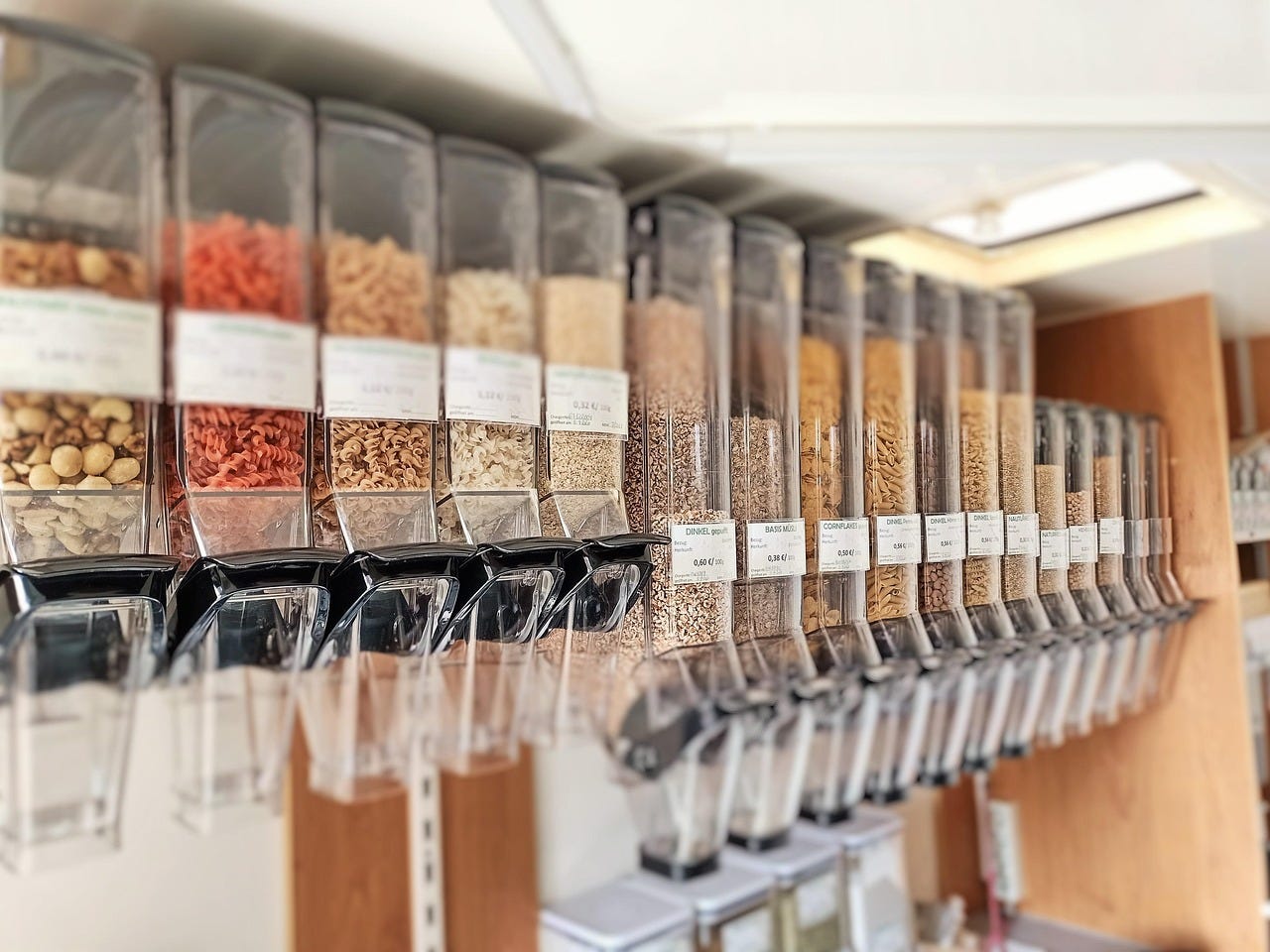
The gardening community would be well served to explore other models of provisioning these inputs, and one idea I came up with when I began my terrarium journey was a bulk inputs station. If you’ve ever been to a natural food grocer, you’re familiar with a bulk foods section. Instead of selling items in standardized packaging, consumers can delineate their preferred amount of grains, lentils, and nuts and bring them home in either their own containers or in ones provided by the store. Often, these sections are cheaper, as the store can purchase a bulk item that hasn’t been subjected to segmented packaging, which makes shipping and unloading cheaper. My vision is for garden centers or community gardens to adopt a bulk input model for selling items, with piles or buckets of inputs where gardeners can scoop out exactly what they need. This would not only be more affordable and efficient for the enterprising gardener but would also make the hobby a bit more approachable for beginners or the apartment bound.
Accessibility squads
My final idea for juicing our gardening communities is to organize what I am calling ‘accessibility squads.’ There are a number of innovations for making gardening more accessible for the disabled. Raised or vertical beds make it easier for those with mobility issues to tend to their plants. More ergonomic or long-reaching tools allow people with weaker hands or arms to tend plants or weed beds. Unfortunately, these pieces of infrastructure can be an ordeal to install, especially with disabled folks generally being quite isolated relative to the general population.
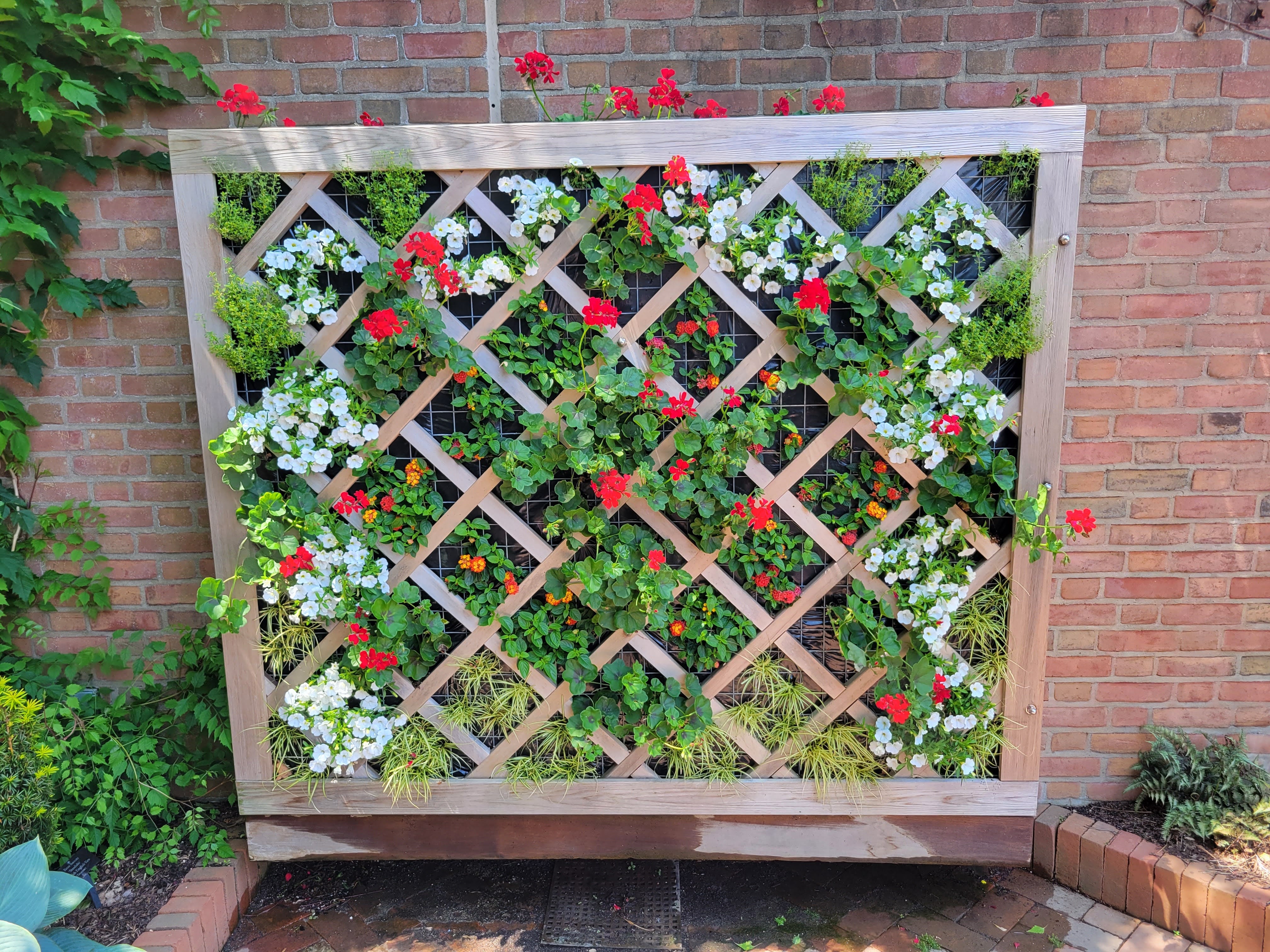
This leads me to my accessibility squad concept. The basic idea is to have a group travel to the homes of disabled people who signed up for the program who then install raised beds, vertical planters, and other accessible gardening platforms. They could also gift specialized tools for the gardener, unload bags of garden mix or fertilizer, or install irrigation systems. Really, just do whatever they can to enable the disabled person to enjoy their yard, porch or balcony,
Going beyond these individual ideas, what I ultimately would love to see are gardening community centers that knit these concepts into a holistic effort. It would be awesome for community gardens or local food organizations to organize bulk input spaces, accessibility squads, and workshares in addition to their bread and butter of garden plots and classes. Ultimately, a place where material and social needs are addressed alongside educational programming and land access.
What I’m Reading, Watching, and Listening to
The House: An essay from the wonderful Amy Holloran about visiting her childhood home.
Doctor Answers Longevity Questions: Some very interesting facts about human physiology and aging.
Hank Green Eats 100 Years Of Food Science: One meal tracing the technological innovations that gave us our modern culinary landscape.
Ideally, a community garden would offer both individual plots and a larger workshare to best fulfill diverse needs